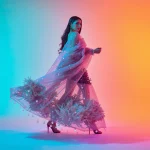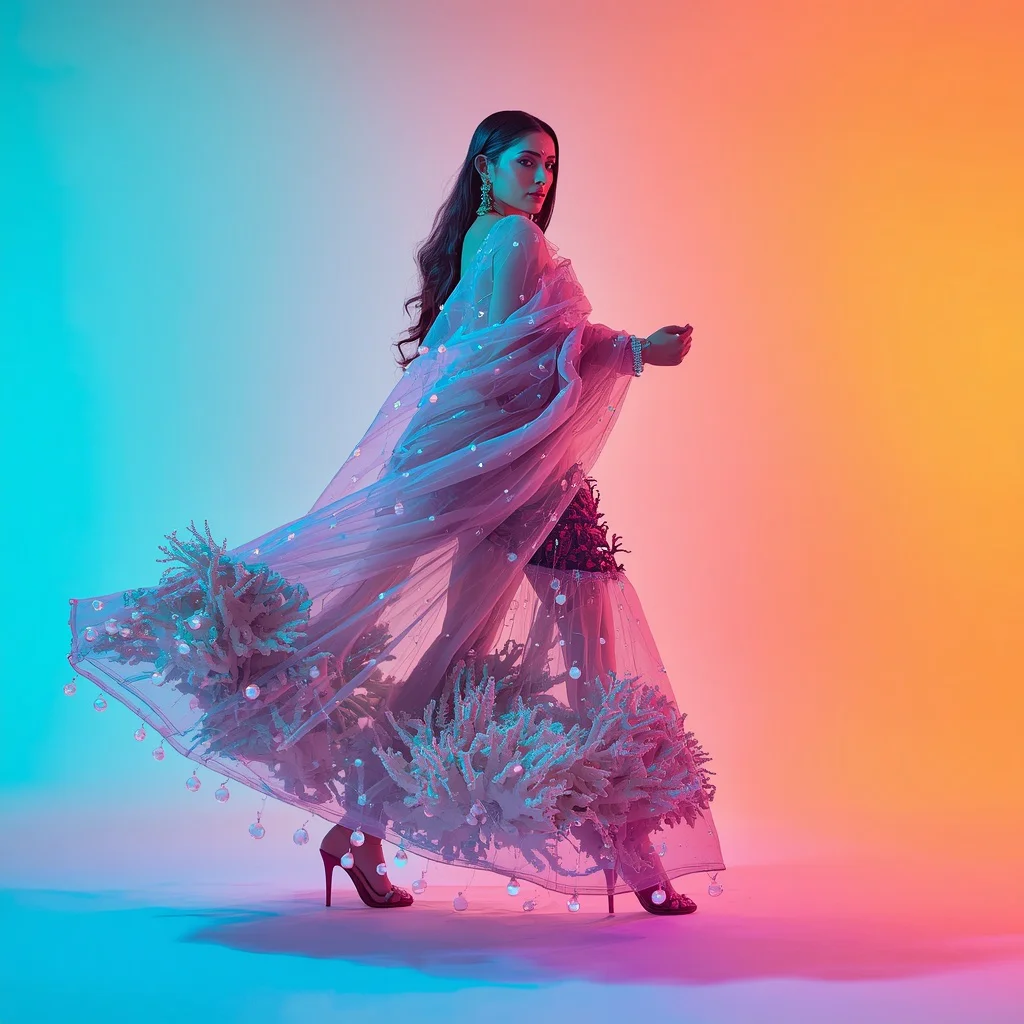


Explore the art of generating powerful, rugged, and majestic female portraits set against harsh wilderness environments and natural elements.
Wilderness survival portraits capture a unique intersection of human resilience, strength, and the raw beauty of nature. Unlike traditional studio portraits, these images place the subject in direct contact with powerful natural forces—whether it is a swirling vortex of sand, a powerful crystal storm, or a deep-sea cavern filled with bioluminescent seaweed. The goal is to depict a character who is not just surviving, but commanding her environment with confidence, grace, and authority.
With advanced generative artificial intelligence, creating these complex, high-impact scenes no longer requires traveling to remote deserts or building elaborate physical sets. By using precise, descriptive prompts, you can render highly detailed textures, realistic skin weathering, and complex environmental physics. This article will guide you through the process of writing prompts that bring these powerful wilderness survival portraits to life.
From mystical desert queens to resolute crystal fortress commanders, we will analyze the key design components that define this rugged, natural aesthetic. You will learn how to balance natural elements, protective gear, and atmospheric lighting to create stunning, cinematic masterpieces that tell a compelling story of survival and strength.
What Are Women's Rustic Wilderness Survival Portraits with Natural Elements?
This genre of portraiture focuses on showcasing strong female characters interacting with raw, powerful, and often fantastical natural environments. The defining feature is the active presence of natural elements—such as sand, water, wind, stone, fire, or flora—which are rendered with high physical accuracy. The subject's attire is designed to match her surroundings, ranging from elegant desert robes and flowing gowns to futuristic crystal armor and minimalist kimonos.
In AI generation, this style emphasizes realism in textures and atmospheric effects. This includes rendering realistic skin textures with subtle water reflections, battle-worn details, or sand particles glinting in the light. The lighting is typically dramatic and cinematic, utilizing volumetric smoke, piercing moonlight, or gentle sun-dappled effects to emphasize the subject's presence and the scale of her environment.
Why Women's Rustic Wilderness Survival Portraits with Natural Elements Is Trending
There is a growing demand for digital art that depicts women in strong, empowering, and active roles. Audiences are moving away from passive, highly manicured portraits in favor of visuals that showcase capability, resilience, and connection to the earth. This trend is highly visible on social media platforms like Instagram and TikTok, where creators use these striking images for motivational content, storytelling, and digital role-playing games.
Additionally, the technical challenge of rendering natural elements makes these images highly popular among AI artists. Showing a character balancing on levitating water blocks or standing amidst a storm of sharp crystal shards demonstrates the incredible capabilities of modern image generators. It offers a fresh, cinematic aesthetic that instantly captures the viewer's imagination and stands out in a sea of standard digital portraits.
Popular Styles You Can Create
This collection of prompts allows you to explore an impressive variety of rugged, natural, and fantastical styles. Here are some of the popular aesthetics you can generate:
- Ancient Desert Sand Queen: A regal style featuring a flowing desert gown standing within a swirling vortex of luminous, golden sand against a vast, mystical desert landscape.
- Geometric Water Sculpture Balance: A modern, avant-garde style showcasing an elegant woman balancing on levitating, perfectly cubic water blocks with realistic skin reflections.
- Crystal Storm Fortress Commander: An epic fantasy style featuring a powerful female warrior in futuristic crystal armor, her cape billowing in a storm of sharp, glowing crystal shards.
- Enigmatic Smoke Veil Portrait: A mysterious, close-up style with a woman's face partially obscured by a slowly dissipating veil of thick, pastel-colored smoke.
- Floating Petal River Serenity: A dreamy, floral style showcasing a woman stepping through a shallow, crystal-clear river covered with a dense carpet of glowing pastel flower petals.
- Ethereal Lunar Goddess: A celestial style featuring a flowing silver gown moving through a shimmering veil of celestial mist under a starry night sky with a prominent moon.
- Crystalline Desert Spirit: A mysterious style with a light desert gown moving through a shimmering veil of glowing crystal dust in a vast, mystical desert.
- Bioluminescent Seaweed Cavern: A deep-sea style featuring a dark gown gliding through an underwater cavern filled with glowing, bioluminescent seaweed.
- Liquid Silver Filigree Luxury: A dark, abstract style showcasing a flowing dark gown moving amidst shifting sculptures of floating liquid silver filigree.
- Futuristic Zen Garden Kimono: A serene style featuring a minimalist elegant kimono standing peacefully amidst a rain of digital blossoms in a clean, futuristic garden.
How to Use Women's Rustic Wilderness Survival Portraits with Natural Elements
To successfully generate these powerful portraits, your prompts must establish a clear relationship between the subject and her environment. The natural elements should not feel like an afterthought; they must interact directly with the character. This means describing how the sand swirls around her, how the water reflects on her skin, or how the wind sculpts her clothing. By focusing on these interactive details, you create a cohesive and believable scene.
Structure your prompt by defining the character's role and posture first, followed by her wardrobe and protective gear. Then, describe the environmental elements and their physical behavior, and finish with specific lighting and camera instructions. Let us look at the step-by-step workflow to achieve this.
- Select your primary environmental theme, such as a stormy crystal fortress, a windswept desert, or a glowing underwater cavern.
- Define the subject’s posture and expression, using words like "resolute," "regal and commanding," "serene and powerful," or "focused on an unseen threat."
- Describe her wardrobe, specifying materials that fit the survival theme, such as "futuristic elegant crystal armor," "flowing desert robes," or "a minimalist kimono."
- Incorporate active natural elements, such as "swirling vortex of luminous sand," "levitating cubic water blocks," or "volumetric smoke effects."
- Add realistic physical details: "ultra-realistic skin texture with battle-worn details," "subtle water reflections," or "sand particles glinting on her face."
- Set the lighting and camera parameters: "cinematic epic lighting," "sharp highlights," "shallow depth of field," or "85mm lens."
- Copy your finalized prompt text and paste it into your preferred AI image generator to render the wilderness portrait.
What Kind of Base Photo Works Best?
If you are using an image-to-image generator or a pose reference, the best base photos feature strong, grounded postures. A subject standing firmly with feet apart, or poised in a balanced stance, provides a solid anatomical foundation for the AI to build upon. This is particularly important when rendering complex poses, such as balancing on platforms or commanding a storm.
Look for base photos with clear, direct lighting that highlights the structure of the face and body. This helps the AI accurately apply skin weathering, battle-worn details, and environmental reflections. Avoid photos with busy or highly colorful backgrounds, as a simple, neutral backdrop makes it much easier for the generator to replace the environment with a mystical desert, a crystal fortress, or a deep-sea cavern.
Which AI Tools Deliver the Best Results?
There are several powerful AI generators available, each offering unique strengths when rendering natural elements, rugged textures, and cinematic lighting. Below is a guide on how to apply these prompts across different platforms.
| AI Tool | Best Use Case | How to Apply Prompt |
|---|---|---|
| Midjourney | Cinematic compositions, complex environmental effects, and artistic lighting. | Paste the detailed prompt text directly into the generator, adding aspect ratios like --ar 16:9 for landscape scenes or --ar 9:16 for stories. |
| Flux | High-fidelity skin textures, realistic battle-worn details, and sharp armor rendering. | Copy the prompt, focusing on the fine details of the crystal armor or sand particles, and run the generator with high-definition settings. |
| Leonardo AI | Vibrant fantasy themes, glowing elements, and volumetric smoke. | Paste your prompt and select the Alchemy or PhotoReal pipelines to enhance the dramatic, high-contrast lighting. |
| ChatGPT | Refining character concepts and generating creative prompt variations. | Paste your basic survival concept and ask the model to expand on the environmental physics and clothing materials before rendering. |
| Gemini | Quickly brainstorming survival themes and organizing prompt structures. | Input your desired environmental parameters and use the generated output as a template for your image creator. |
Pro Tips
To elevate your wilderness survival portraits, focus on the details of human wear and tear. Adding terms like "battle-worn details," "subtle water reflections on skin," or "sand particles glinting on her face" breaks the plastic, overly perfect look that AI often produces. This adds a layer of grit and authenticity that makes the character's survival story feel genuine.
Another great tip is to specify the camera lens and depth of field. Using terms like "85mm lens" or "shallow depth of field" keeps the focus sharp on the subject’s face and eyes while softly blurring the chaotic background elements, such as swirling sand or flying crystal shards. This ensures that the character remains the undisputed focal point of the composition.
Common Issues and Quick Fixes
Rendering complex natural elements can sometimes lead to visual errors. Use this table to quickly identify and resolve common generation issues.
| Common Issue | Why It Happens | Quick Fix / Prompt Adjustment |
|---|---|---|
| Muddled or chaotic water blocks | The AI struggles to render clean geometric shapes made of fluid materials. | Use highly specific terms: "levitating, perfectly cubic water blocks" and "clean, geometric forms." |
| Flat, non-volumetric smoke | The prompt lacks instructions for smoke density and lighting interaction. | Add terms like "slowly dissipating veil of thick, pastel-colored smoke" and "volumetric smoke effects with sharp highlights." |
| Unrealistic or plastic-looking armor | The material description is too simple or lacks texture keywords. | Specify the material type: "futuristic, elegant crystal armor" or "liquid silver filigree with ultra-realistic textures." |
Frequently Asked Questions
How do I make the skin texture look realistic in rugged wilderness portraits?
To achieve a realistic, weathered look, include terms like 'ultra-realistic skin texture with battle-worn details', 'subtle water reflections', or 'sand particles glinting on her face' in your prompts.
What is the best way to render complex environmental elements like water or smoke?
Be highly specific about the geometry and behavior of the elements. Use descriptive phrases such as 'levitating perfectly cubic water blocks' or 'slowly dissipating veil of thick, pastel-colored smoke with volumetric effects'.
Can I use these prompts for action-oriented fantasy character designs?
Yes, prompts featuring elements like 'crystal fortress commander', 'futuristic elegant crystal armor', and 'billowing cape' are perfect for creating high-impact fantasy and sci-fi characters.
Conclusion
Generating women's rustic wilderness survival portraits with natural elements is a fantastic way to showcase strength, resilience, and majestic beauty in digital art. By mastering the interaction between your subject and powerful natural forces like sand, water, and crystal storms, you can create highly compelling, story-driven portraits. Use the step-by-step workflows, material tips, and troubleshooting advice outlined in this guide to perfect your prompts. Simply copy your favorite prompt, paste it into your preferred AI image generator, and watch your powerful wilderness visions come to life in spectacular, high-fidelity detail.