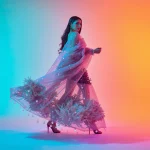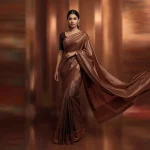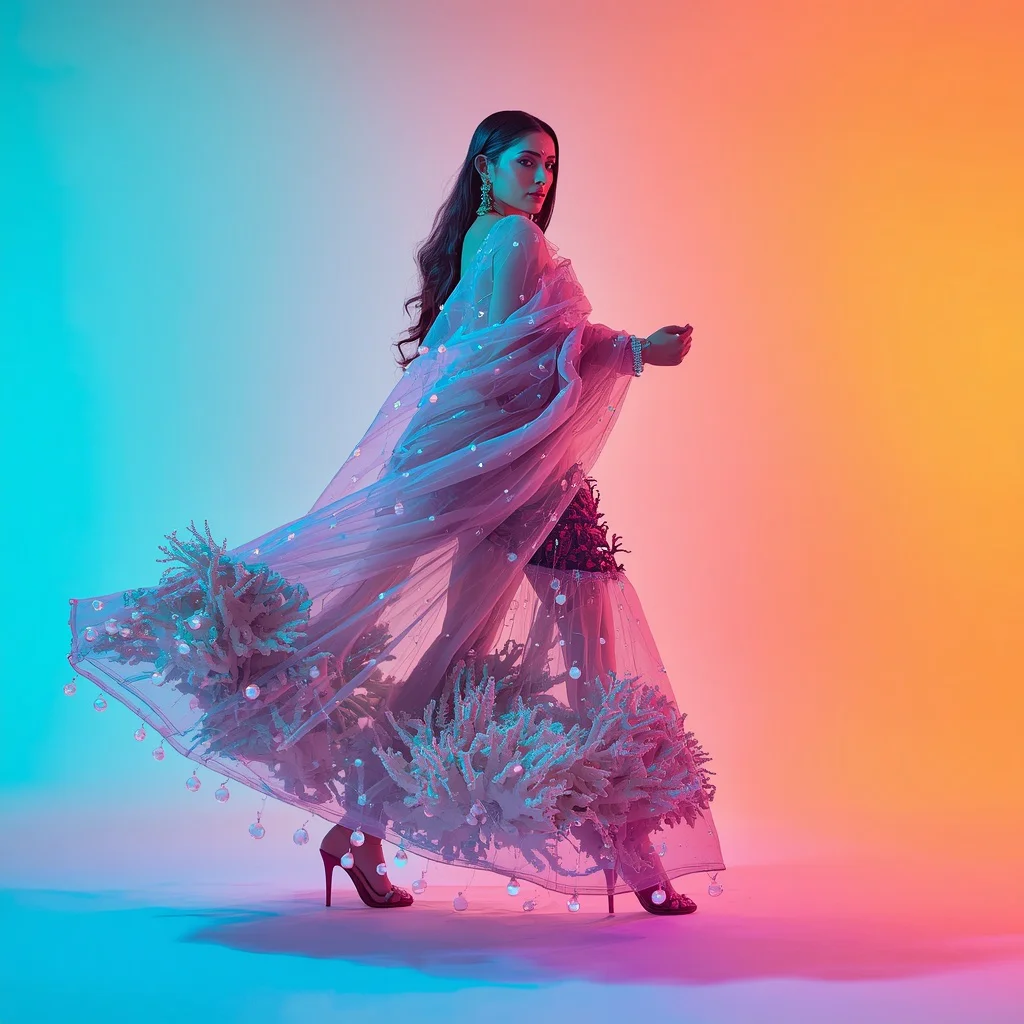


Step into the future of high fashion with these 10 cutting-edge AI prompts designed to generate breathtaking, high-contrast editorial photography featuring bold garments, surreal landscapes, and striking poses.
The intersection of artificial intelligence and high fashion has birthed a spectacular new creative landscape. Designers, photographers, and digital artists are increasingly turning to advanced generative AI tools to visualize concepts that once required massive production budgets. By utilizing highly descriptive textual cues, creators can now generate hyper-realistic portrayals of women dressed in spectacular couture, framed by atmospheric, otherworldly environments.
Today's digital aesthetics are defined by bold, dramatic compositions that command attention on platforms like Instagram. Whether you are looking to create high-contrast monochrome masterpieces or ethereal fantasy portraits, understanding how to construct the perfect prompt is key. This guide explores the mechanics of editorial fashion prompts, showing you how to translate abstract artistic visions into stunning, high-resolution digital art.
By mastering the art of prompt engineering, you can control everything from the drape of a pastel fusion gown to the intricate light trails of a dynamic motion shot. These prompts are meticulously designed to push the boundaries of AI image generation, offering a perfect blend of traditional textures and futuristic, surreal elements.
What Are Women's Bold Editorial Fashion Prompts?
Women's Bold Editorial Fashion Prompts are highly descriptive text instructions used to direct AI image generators to create high-concept, magazine-style fashion photography. Unlike standard portrait prompts, these formulas emphasize dramatic styling, avant-garde clothing, and complex environmental interactions. They combine traditional cultural garments, such as embroidered lehengas and fusion gowns, with surreal visual effects like floating petal cascades, glowing fractal crystals, and flowing neon ink.
These prompts are engineered to instruct the AI on specific photographic elements, including camera lenses, lighting setups, and material textures. By detailing the exact movement of fabrics and the quality of light, these prompts ensure that the generated images possess the polished, high-end look of a professional editorial spread.
Why Women's Bold Editorial Fashion Is Trending
The trend of generating bold editorial fashion imagery has taken social media by storm, particularly on highly visual platforms like Instagram. Audiences are captivated by the seamless blend of hyper-realism and dreamlike fantasy. The contrast between traditional ethnic attire, like pastel Indian fusion dresses, and futuristic elements, like cosmic stardust veils, creates a striking visual dichotomy that stands out in fast-scrolling feeds.
Furthermore, AI-generated fashion allows creators to experiment with impossible materials and physics-defying scenarios. Capturing a model surrounded by thousands of frozen, floating flower petals or wrapped in sculptures of flowing water is incredibly difficult and expensive in real life. AI makes these conceptual masterpieces accessible to any creator with a computer and a spark of imagination.
Popular Styles You Can Create
With these prompts, you can explore a wide variety of editorial styles. Here are some of the most popular aesthetics you can generate:
- Traditional Fusion: Elegant Indian women in pastel peach fusion gowns or mint green embroidered lehengas, combining classic heritage with modern silhouettes.
- Surreal Environmentalism: Subjects placed in magical landscapes, such as a frozen-time petal cascade or a giant fractal crystal forest glowing with inner light.
- Cosmic Glamour: Regal characters moving through shimmering veils of celestial dust and stardust under star-filled desert skies.
- Abstract Fluid Art: Dramatic compositions featuring models interacting with flowing neon ink or transparent water sculptures.
- Dynamic Light Painting: High-contrast, motion-blurred athletic shots featuring vibrant trails of pastel-colored light in dark spaces.
How to Use Women's Bold Editorial Fashion Prompts
To get the absolute best results from these prompts, follow this step-by-step workflow to guide your image generation process:
- Select your preferred AI image generator, such as Midjourney, Flux, Leonardo, ChatGPT, or Gemini.
- Copy one of the detailed prompts provided in this article, ensuring you include all texture and lighting descriptors.
- Adjust the clothing descriptions (e.g., change "pastel peach fusion gown" to "crimson silk gown") to match your specific vision.
- Define the setting or background, choosing between a minimalist backdrop, a grand sun-drenched courtyard, or a dark abstract void.
- Specify the camera parameters, such as an "85mm lens effect" or "cinematic high-contrast lighting," to achieve a professional photographic look.
- Run the prompt and generate a batch of four images to see how the AI interprets the composition.
- Upscale your favorite generation and use light editing or color grading to perfect the final editorial look.
What Kind of Base Photo Works Best?
If you are using an image-to-image workflow or a face-swap model to place yourself or a client into these editorial scenes, choosing the right base photo is crucial. The base photo should feature clear, high-contrast lighting that matches the dramatic mood of the prompt. A neutral or highly confident facial expression works best, as editorial fashion relies heavily on poised, high-fashion attitude.
Avoid cluttered backgrounds or low-resolution selfies. Instead, use a well-lit, high-resolution portrait with a clean background. This allows the AI to cleanly extract the facial features and seamlessly integrate them with the complex fabrics, glowing stardust, or neon ink elements of the generated scene.
Which AI Tools Deliver the Best Results?
Different AI image generators have unique strengths when it comes to rendering complex fabrics, lighting, and human anatomy. Choosing the right tool depends on the specific style you want to achieve.
| AI Tool | Best Feature for Fashion | Recommended Prompt Style |
|---|---|---|
| Midjourney | Unmatched fabric textures and cinematic lighting | Surreal environments & fractal crystals |
| Flux | Exceptional hand rendering and text accuracy | Dynamic poses & water sculptures |
| Leonardo | Custom fashion models and fine-tuning controls | Traditional fusion & lehengas |
| ChatGPT / Gemini | Quick prompt ideation and conceptual variations | Abstract light painting & neon ink |
Pro Tips
To elevate your AI fashion photography to professional standards, keep these prompt engineering tips in mind:
- Use Specific Fabric Terms: Instead of just "dress," specify "pastel embroidery," "flowing silk," "structured neoprene," or "delicate floral motifs in silver thread."
- Control the Light: Use terms like "cinematic soft diffused lighting," "prismatic light," or "vivid light trails and deep shadows" to create a realistic sense of volume.
- Incorporate Camera Specs: Mentioning a "shallow depth of field," "85mm lens effect," or "8K resolution" forces the AI to mimic high-end DSLR cameras.
- Describe the Motion: Terms like "frozen in mid-air," "gracefully moving," or "body is a blur of motion, yet face remains sharp" add incredible dynamism to the shot.
Common Issues and Quick Fixes
Generating complex editorial fashion can sometimes lead to unexpected visual glitches. Use this table to quickly troubleshoot and fix common AI generation errors.
| Common Issue | Likely Cause | Quick Fix / Solution |
|---|---|---|
| Distorted hands or fingers | Complex poses confusing the AI anatomy solver | Use negative prompts like "deformed hands" or switch to Flux, which handles hands exceptionally well. |
| Muted colors in neon/stardust scenes | Insufficient contrast instructions in the text prompt | Add terms like "vivid color contrast," "luminous neon," or "glowing particles against a dark void." |
| Fabric looks flat or plastic-like | Lack of texture detail in the prompt description | Specify textures using phrases like "ultra realistic skin texture," "intricate embroidery," or "shimmering silver thread." |
Frequently Asked Questions
Can I use these prompts in free AI generators?
Yes, these prompts are fully compatible with free versions of platforms like Gemini or Leonardo, though premium tools like Midjourney or Flux may offer higher fidelity.
How do I get the neon ink and stardust effects to look realistic?
Ensure your prompt includes terms like 'viscous fluid', 'luminous movement', and 'shallow depth of field' to help the AI render the physical interactions of light and liquid accurately.
What is the best camera lens to specify in these fashion prompts?
An 85mm lens effect or a 50mm portrait lens is ideal for editorial fashion, as they provide natural facial proportions and a beautiful background blur.
Conclusion
Creating bold editorial fashion images using AI is an incredibly rewarding process that merges technology with high art. By utilizing detailed prompts that specify fabric textures, dynamic movements, and cinematic lighting, you can generate gallery-worthy fashion portraits right from your screen. Experiment with the prompts provided, mix and match different surreal elements, and share your stunning creations to capture the trending spotlight on social media!